

"Data has become the new oil.
But oil needs refineries.
In the AI economy, data centers are those refineries and REIT investors are quietly owning the pipes.
Every investor who owns shares in a Cohen REIT technically owns part of the infrastructure that allows AI to exist.
Not the code, not the model — but the space where intelligence breathes."-Al Cohen

Unlocking the power of digital infrastructure
How Cohen REIT Operate (The Business Model)
- Acquire/Develop: REITs acquire land and build specialized, secure buildings with massive power capacity.
- Lease: They lease space (colocation) or whole buildings (wholesale) to tenants, often on long-term contracts (5–10 years).
- Operate: We or trusted partner manage the facility, including power, cooling, and security.
- Distribute Dividends: By law Cohen REIT pays out at least 90% of their taxable income to shareholders as dividends to avoid corporate-level taxes.
-
Advantages and Risks
- Advantages: High demand driven by AI, cloud computing, and IT outsourcing; long-term contracts; stable income.
- Risks: High sensitivity to interest rates, high capital expenditure (power/land constraints), and lease concentration (dependence on a few large tech tenants).
Cohen REIT ensures successful investments by securing mission-critical infrastructure—primarily reliable power and connectivity—while maintaining strict regulatory compliance to preserve their tax-advantaged status and by focusing on below success assurance factors:
1. Securing Power and Strategic Locations
- Power Availability: Access to massive, reliable electricity is the top requirement for investment success. Leading REITs increasingly prioritize "powered land"—sites with confirmed power capacity and delivery timelines—to bypass grid interconnection delays that can last 3–7 years.
- Connectivity Moats: Cohen REIT builds "connected campuses" with thousands of interconnections. This creates a competitive moat where tenants stay because they need low-latency access to the specific ecosystem of partners already in that facility.
2. Strategic Leasing and Tenant Quality
- High-Credit Tenants: Stability is ensured by signing long-term leases (5–15 years) with "hyperscalers" like Amazon AWS, Google Cloud, and Microsoft Azure.
- Long-Duration Cash Flows: These mission-critical contracts make data centers recession-resistant; companies rarely move their IT infrastructure due to high costs and operational risks.
3. Operational Efficiency and Technology
- PUE (Power Usage Effectiveness): Cohen REIT track PUE to ensure they aren't wasting electricity. A successful facility typically aims for a PUE below 1.5, with elite centers reaching 1.2 or lower to maximize profit margins.
- Advanced Cooling: To support high-density AI workloads, successful investments often involve upgrading to liquid or direct-to-chip cooling, which can reduce energy use by up to 90% compared to traditional air cooling.
4. Regulatory and Tax Compliance
- The 75/95 Rule: Cohen REIT corporate tax structuring team make sure at least 75% of assets must be real estate, and 95% of income must come from passive sources like rent.
- Service Classification: Our operators carefully classify income from power and services. If "impermissible" service income exceeds 1% of a property's total income, the REIT could lose its tax status for that entire property.
5. Sustainability and ESG
- Green Power: As hyperscale tenants commit to "net-zero" goals, Cohen REIT prioritizes securing renewable energy sources (wind, solar, or nuclear) attract more premium tenants and environmentally conscious investors.
- Resource Efficiency: Implementing closed-loop water systems reduces the millions of gallons of water typically needed for cooling, mitigating environmental pushback in water-stressed regions.
Discover how data centers have evolved into a cornerstone of the global economy, and explore the unparalleled investment opportunities within this rapidly expanding sector through Cohen REIT. We are your gateway to high-growth digital real estate.
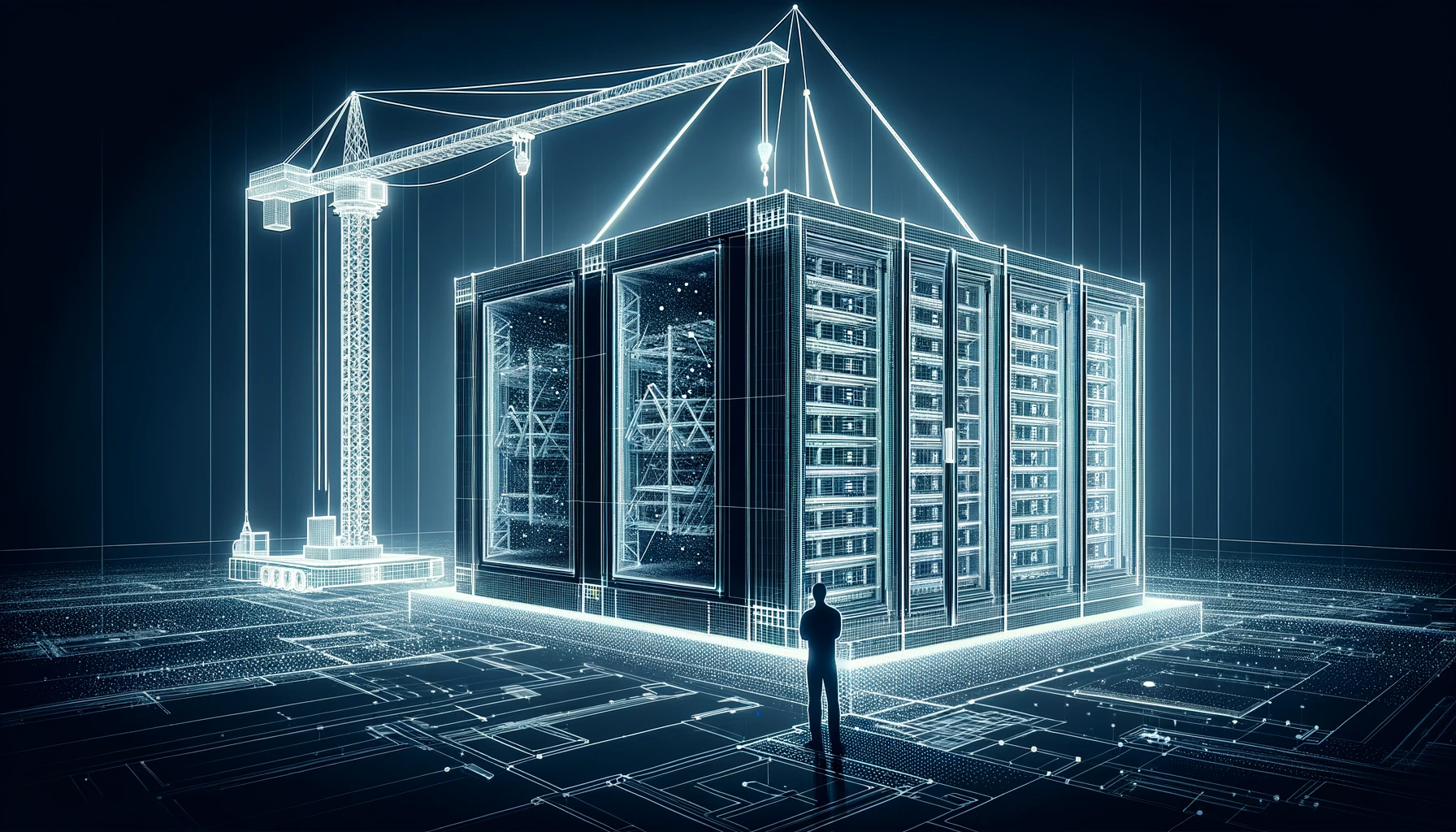
Urban Data center: A core real estate asset
Over the past two decades, data centers have quietly transitioned from niche infrastructure to one of the fastest-growing categories of global real estate. Once seen as mere back-office IT facilities, they are now mission-critical assets powering cloud computing, e-commerce, artificial intelligence, and digital payments. Their importance to the global economy has elevated them to the same league as traditional property classes like office, industrial, and retail. This transformation has given rise to the powerful financial instrument of the Cohen Real Estate Investment Trust (REIT), democratizing access to this booming sector for investors.
How Cohen REIT's Urban Data Center initiative De-risk:
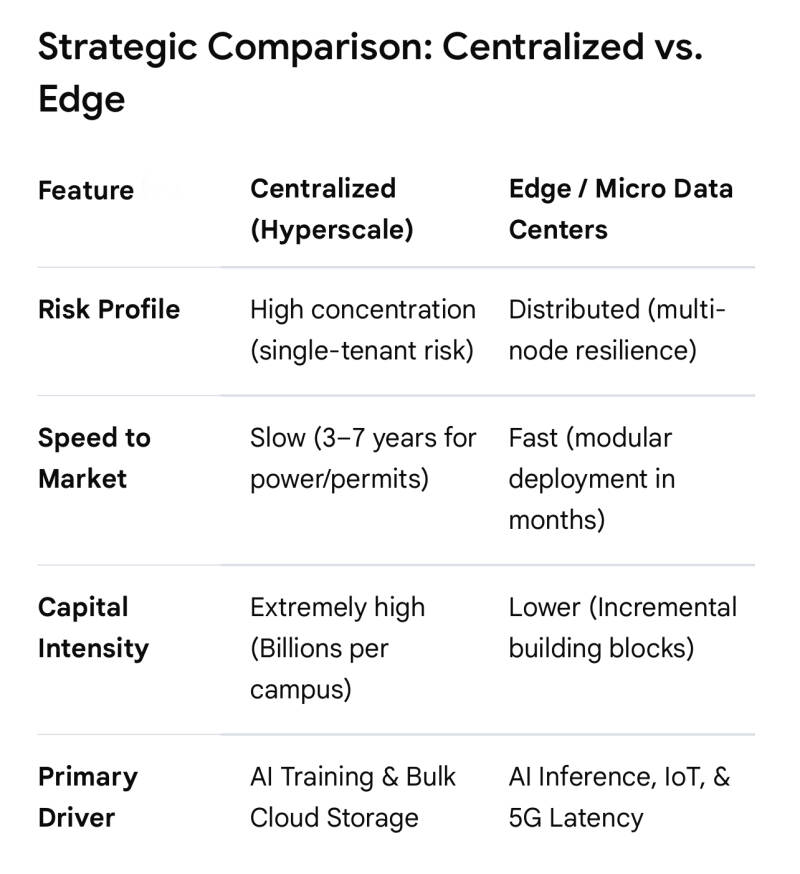
- Operational Resilience: Distributing processing across many smaller nodes reduces the impact of a single-point failure. While edge sites may experience more frequent minor outages, their downtime is typically much shorter (~45 minutes) compared to traditional centers (~138 minutes) due to simpler maintenance requirements.
- Capital Efficiency: Unlike hyperscale projects that require billions in upfront capital and years of planning, edge data centers are often prefabricated and modular (PMDC). They can be deployed up to 30% faster and cost 30% less, allowing Cohen REIT to scale capacity incrementally as demand grows rather than overbuilding. Our strategic joint development agreement with pioneers of modular data center gives Cohen REIT a competitive edge.
- Regulatory Compliance: Urban Data Center's Edge facilities process and store data locally, making it easier for Cohen REIT and our tenants to comply with strict data sovereignty and privacy laws like GDPR or HIPAA. This avoids the risk of massive fines associated with transmitting sensitive data across borders to centralized hubs.
- Market Diversification: Cohen REIT's Urban Data Center Specialized focus on secondary and tertiary markets that are underserved by hyperscalers. This "agile" strategy allows them to secure land and power more cost-effectively while avoiding the intense competition and "powered land" scarcity found in primary hubs.
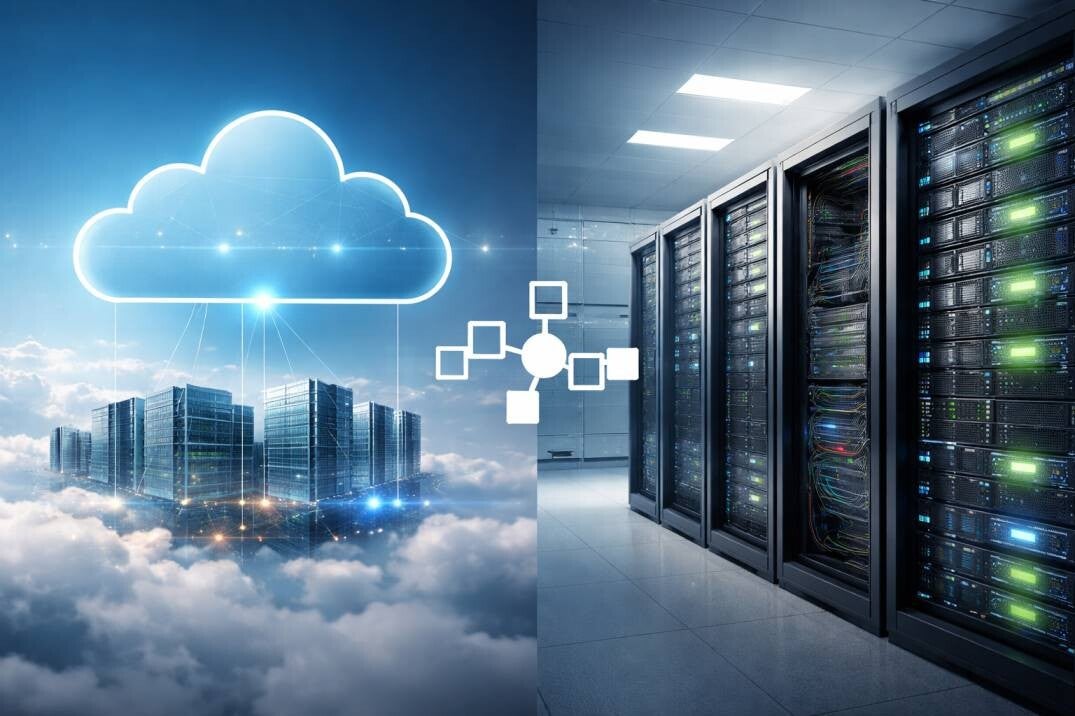
Why Cohen REIT stands out
Cohen REIT's Urban Data Center stands out by prioritizing proximity to end-users and dense network connectivity over the sheer scale of suburban "hyperscale" campuses by capitalizing on:
1. Superior Connectivity and Latency
Urban Data Center sites are typically located at the "intersection" of major fiber-optic trunk lines and near Point of Presence (POP) for
- Low Latency: Being physically close to users is essential for speed-critical industries like high-frequency trading, online gaming, and real-time AI inference.
- The "Network Effect": These sites house hundreds of different carriers and cloud providers. Once a data center reaches a certain density of interconnections, it becomes a "sticky" ecosystem—tenants won't leave because their partners and customers are already there.
2. Adaptive Reuse of Existing Buildings
Because land is scarce inside cities, Cohen REIT’s Urban Data Center often stand out through architectural innovation and sustainability:
- Repurposed Real Estate: Our network of real estate developers would love to convert vacant office buildings, old warehouses, or historic structures (like former Sears headquarters) into modern data center like Cohen REIT’s Urban Data Center.
- Faster Speed-to-Market: Using existing buildings can sometimes bypass the long permitting and construction timelines required for ground-up rural builds.
3. "Last-Mile" Digital Logistics
Urban facilities function similarly to last-mile delivery hubs in logistics:
- Edge Integration: They serve as the final step between the global cloud and your smartphone, powering Smart City infrastructure like self-adjusting traffic lights and mobile 5G networks.
- Support for IoT: They handle the localized processing needed for millions of connected urban devices, preventing data traffic jams.
4. Strategic Investment Profile
For Cohen REIT focus on edge/micro/urban data center portfolio, Urban Data Center offer distinct financial advantages:
- High Barriers to Entry: It is extremely difficult to secure the necessary power and zoning in a dense city like Houston, Dallas, or Austin. This scarcity protects the REIT's pricing power and property values.
- Tenant Diversification: Urban Data Center often use a "colocation" model with hundreds of small-to-medium tenants, which reduces the risk of being dependent on a single giant tech company.
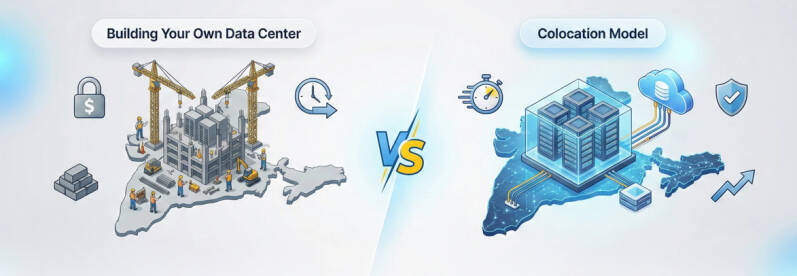
Why Cohen REIT's Urban Data Center Loves the Colocation Model
- Sticky Tenants: Once a company installs miles of cabling and thousands of servers, they almost never move.
- Scalability: Cohen REITs can fill a building gradually, adding new "cages" as demand grows.
- Inflation Protection: Many colo leases include power pass-throughs, meaning if electricity prices go up, the tenant pays the difference, not the Cohen REIT.
In a colocation (or "colo") model, the Cohen REIT owns the building, cooling, and power infrastructure, but the tenants own the actual servers. It’s like renting a high-tech apartment where the landlord provides the utilities and security, but you bring your own furniture.
Here are the three main ways colocation is structured:
1. Retail Colocation (The "Multi-Tenant" Hub)
This is the most common model for urban data centers. Tenants rent small amounts of space—ranging from a single server rack to a caged-off area.
- Best for: Small to medium enterprises, financial firms, and network providers.
- Key Value: Access to the "meet-me room," where hundreds of companies can plug their cables directly into each other for instant data exchange.
- Revenue: Higher rent per square foot, but higher operational costs for the Cohen REIT.
2. Wholesale Colocation (The "Big Box" Lease)
The Cohen REIT leases out a large, dedicated data hall or an entire floor to a single massive tenant. The tenant gets their own private space and dedicated power allotment.
- Best for: Large tech companies (Uber, Netflix) or "Hyperscalers" (Apple, Meta) that need scale but don't want to build their own building.
- Key Value: Lower cost for the tenant; long-term, stable "triple-net" leases for the Cohen REIT.
- Revenue: Lower margins than retail, but massive volume and very low churn.
3. Managed Colocation (The "Full Service" Option)
In this hybrid model, the REIT (or a partner) provides "hands-on" services. They don't just provide the power; they might also help with hardware setup, monitoring, and troubleshooting.
- Best for: Companies with no local IT staff or those moving from on-premise offices to the cloud.
- Key Value: Convenience. The tenant treats the data center like an outsourced IT department.
- Revenue: Includes high-margin service fees on top of the base rent.
Partnering for digital success
We aim to reach high-growth, asset-light investors and digital infrastructure specialists. Our model is built on powerful secular tailwinds supporting investment in digital infrastructure. As specialists in this field, we bring deep expertise and foster relationships that build value across the entire digital ecosystem. At datacenterlandsites.com, we are not just an investment vehicle; we are the infrastructure partner to the digital economy, helping operators scale with confidence by delivering power-ready, development-qualified sites structured for long-term success.
Key Investment Trends:
1. Power certainty is the top differentiator—availability, delivery timing, and contractual guarantees drive project value and demand.
2. Capital is moving earlier in the development cycle, with private credit and structured finance providing 60–75% of pre-development funding.
3. Alternative power strategies are central to economics: natural gas as a near‑term bridge, nuclear/SMRs as long‑term baseload.
4. Execution capability (power access, permitting, delivery) now matters more than whether a market is primary or secondary.
5. Data centers are underwritten like energy infrastructure—focus on power readiness, long‑term contracts, and yield‑on‑cost.
6. Community & regulatory risk is a core investment factor; over $64 billion in U.S. projects have been delayed or canceled since 2023.
Key Themes for 2026:
· Power scarcity remains the defining constraint.
· Alternative energy partnerships grow; natural gas moves faster than nuclear/SMR.
· AI‑driven build cycles risk localized overheating and valuation corrections where speculative pipelines exceed confirmed demand.
· Private credit becomes an institutionalized core financing mechanism.
· Exit strategies shift toward portfolio‑ and platform‑level transactions, not single‑asset sales.
The $28 Million Flip: Why Building Conversions May Be the Data Center Play Many Are Missing.
While everyone debates whether there's an AI bubble, two Chicago firms just proved something more interesting:
You don't need billions to win in data centers. You need to see what others miss.
The Deal:
Prime Group and Capri Investment Group bought a vacant office building in Chicago's Loop for $12 million in July 2024.
Fifteen months later, they sold it for $40 million.
That's a 233% return(gross).
What Did They Do?
They didn't build from scratch. They didn't chase raw land in power-scarce markets.
They bought the former Cboe Global Markets headquarters at 400 S. LaSalle Street, a six-story building with something most vacant parcels don't have:
Infrastructure.
Wide, column-free floors. High ceilings. Structural capacity to support server weight. And most importantly, heavy wiring from its previous life as a trading platform.
"By simply increasing power to the building and doing other preliminary work, the Chicago firms significantly increased the value," said Daniel English, managing partner of Legacy Investing, the buyer converting it to a 33-megawatt data center.
Why Urban Conversions Work:
Most people think data centers belong in farm fields. But English explained why urban locations command premiums:
"Just like Amazon's last-mile delivery, data centers take less time to deliver when they're close."
Low-latency applications, high-speed trading, video streaming, gaming, and autonomous vehicles need urban proximity.
And according to CRE Daily's analysis, "retrofitting existing sites for edge use could unlock value" while "inference centers and retrofitted edge computing facilities show the strongest risk-adjusted return profiles."
This Isn't Just Offices:
Prologis is making headlines with $8 billion in warehouse-to-data center investments.
But the Chicago deal proves the opportunity is broader:
Old trading floors. Office buildings. Anywhere with the right bones and the right infrastructure.
The play isn't chasing new construction in power-constrained markets. It's finding existing buildings where someone has already solved the hard problems—and the market hasn't caught up to the value...yet.
The Pattern:
While everyone worries about overbuilding greenfield data centers, patient capital is quietly buying obsolete buildings, de-risking the infrastructure, and creating massive value in 12-15 months.
Thursday, I'll share exactly what to look for, the specific criteria that turn a vacant building into a data center opportunity.
What vacant buildings in your market have infrastructure that everyone else is ignoring?
Sources: "Flip of former Cboe Global Markets headquarters in Chicago shows soaring data storage values" by Ryan Ori, CoStar News, October 23, 2025; "Data Centers Driving Growth In AI And Real Estate" CRE Daily, PrincipalAM research
Cohen REIT Tax Strategy & PLR
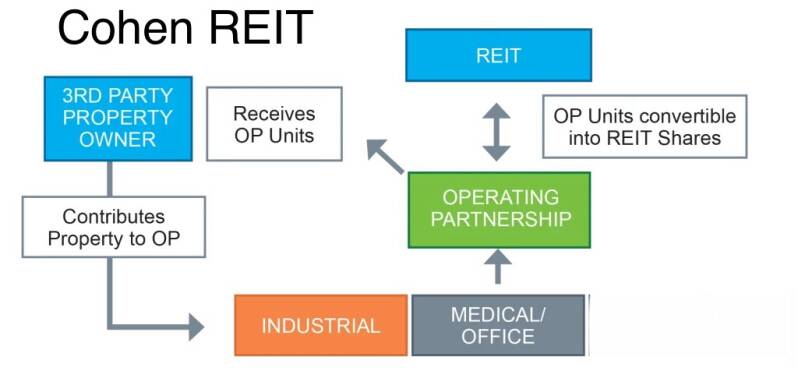
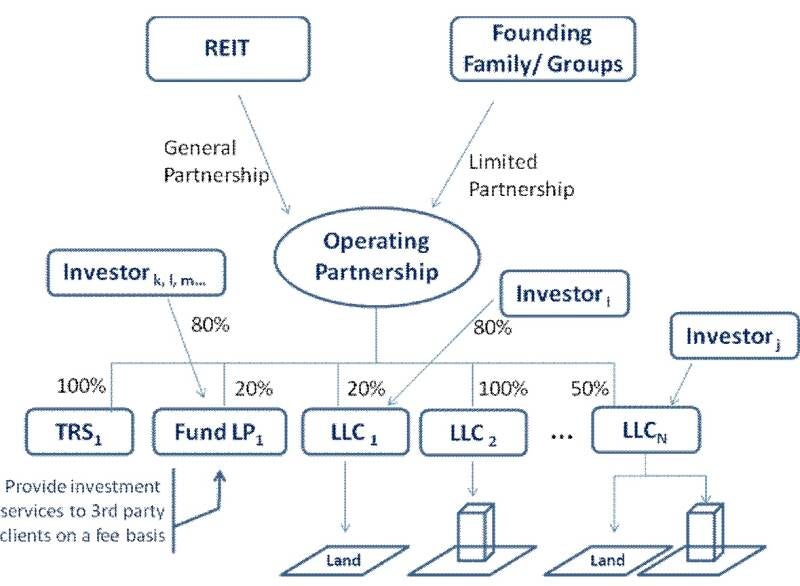
Real estate investment has long been a favored avenue for potential appreciation and steady cash flow. However, as investment goals evolve or specific real estate holdings mature, the prospect of capital gains taxes and depreciation recapture becomes a concern. One strategic solution gaining traction is the Umbrella Partnership Real Estate Investment Trust (UPREIT) option within a Delaware Statutory Trust (DST).
UPREIT transactions share similarities with Section 1031 Exchanges, the key distinction lies in the nature of the exchanged assets. A 1031 Exchange involves swapping real property for like-kind assets, while a 721 Exchange enables the exchange of appreciated real estate into a real estate investment trust.
UPREIT transactions offer compelling advantages but proper structuring is crucial. Moving investment property or Delaware Statutory Trusts (DSTs) through a 721 Exchange requires careful consideration and should be conducted with the guidance of tax specialists and registered advisors. By leveraging the unique benefits of UPREITs, financial professionals and accredited investors can strategically navigate the intricacies of commercial real estate investing, contributing to an effective and tax-efficient portfolio strategy.
Private letter rulings (PLRs) for data centers generally focus on securing favorable tax treatment, specifically confirming that income from services like cross-connects and colocation qualifies as "rents from real property" for REIT compliance. Rulings have deemed that data center infrastructure, such as buildings and structural components, are qualified real property, providing stability for REIT operations.
Key Aspects of Data Center PLRs:
- REIT Qualification: The IRS has ruled that data center investments, including fiber optic cables and power infrastructure, are "real property," and services like "remote hands" do not disqualify income from being classified as rent.
- State Sales Tax Exemptions: Rulings often address whether specific components (like backup hydrogen generators) qualify for state-level exemptions, with some rulings indicating that, for instance, hydrogen is considered taxable, not a tax-exempt "gas".
- Binding Nature: PLRs are only binding for the requesting taxpayer.
- Process: Companies can request rulings from the IRS regarding federal taxes, or from state authorities (e.g., Texas Comptroller) for state tax issues.
"Cohen REIT provides unparalleled insight into the data center market, consistently delivering impressive growth and strategic investments that align perfectly with the future of digital infrastructure."
Mubadala Ai, Leading Digital Infrastructure Investor